

Countries and regions around the world are facing major social, economic and environmental transformation processes. Demographic change, climate change, social inequality and increasing demands on public services and infrastructure create complex challenges, particularly in developing countries and regions undergoing rapid change.
Range of services
We support regional development processes in cooperation with local governments, national institutions and international partners. Our work focuses on helping public actors plan, deliver and manage sustainable and inclusive services and infrastructure. In doing so, we combine technical expertise with institutional support and a strong understanding of local conditions and development frameworks.
Our approach goes beyond physical infrastructure. We place particular emphasis on strengthening institutions, building capacities and supporting the long-term performance of public services. The solutions we develop are designed to be context-appropriate, durable and aligned with long-term development objectives.
Our services include:
- Public service infrastructure
- Education and health services
- Water supply and sanitation
- Institutional development and local governance
- Capacity building and training for local authorities and service providers
Social and economic infrastructure for regional development
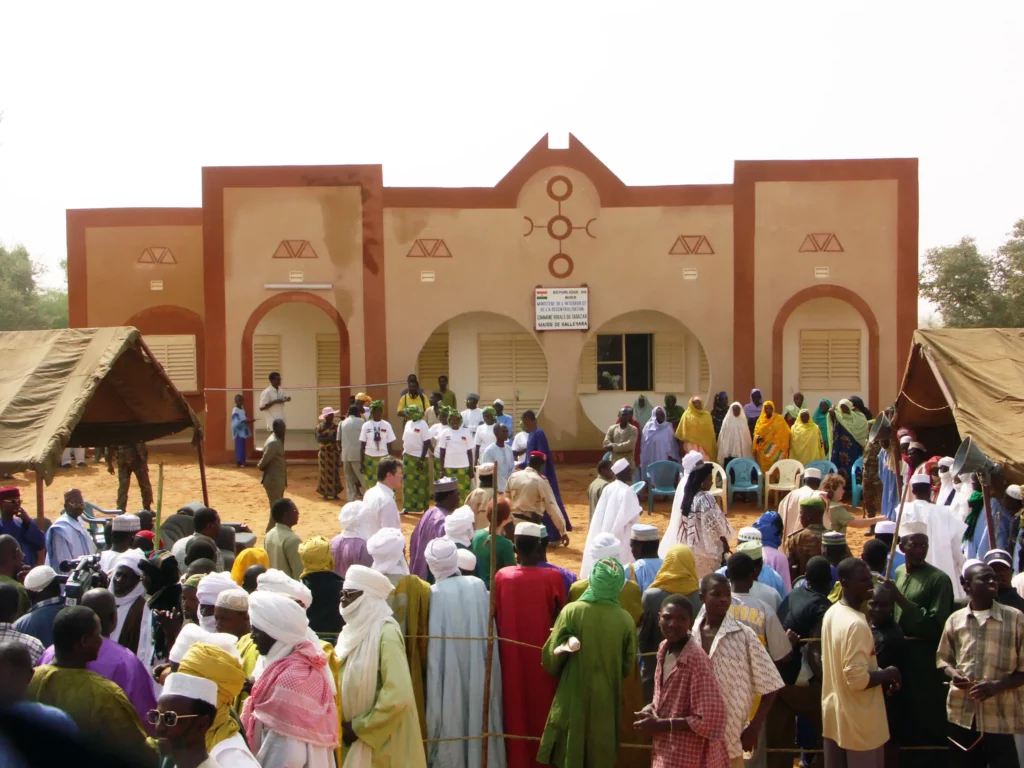
Social and economic infrastructure plays a key role in regional development and poverty reduction. In provincial towns and regional centres in particular, the quality of life of the population depends to a large extent on the availability and functioning of essential facilities such as schools, hospitals, markets and bus stations.
The planning and implementation of such infrastructure require solutions that are adapted to local conditions and institutional realities. In addition to design and construction, sustainable operation also depends on appropriate management models, local ownership and a participatory approach throughout the development process.
We support local authorities with advisory services covering all project phases, from initial concept development and implementation to the operation of infrastructure and related capacity-building measures.
Our competencies include:
- Design of customised social and economic infrastructure
- Support for the integration of measures into municipal and regional planning
- Support in construction supervision
- Development and support of capacity-building measures for operators
Decentralisation can play an important role in promoting inclusive development and strengthening democratic governance. As responsibilities are transferred to local and regional authorities, institutions at subnational level need the capacity, structures and procedures required to plan, manage and deliver public services effectively. Strong local governance can improve the relationship between public institutions and citizens, support social cohesion and contribute to local economic and social development.
We support decentralisation processes through advisory services and implementation support tailored to institutional and local conditions. Our work includes the design and implementation of funding mechanisms, support for operational procedures, accompanying measures and systems for monitoring and evaluation.
Our competencies include:
- Design of social funds
- Support during the implementation of social funds
- Support for and control of implementation procedures
- Design and support of accompanying measures
- Monitoring and evaluation
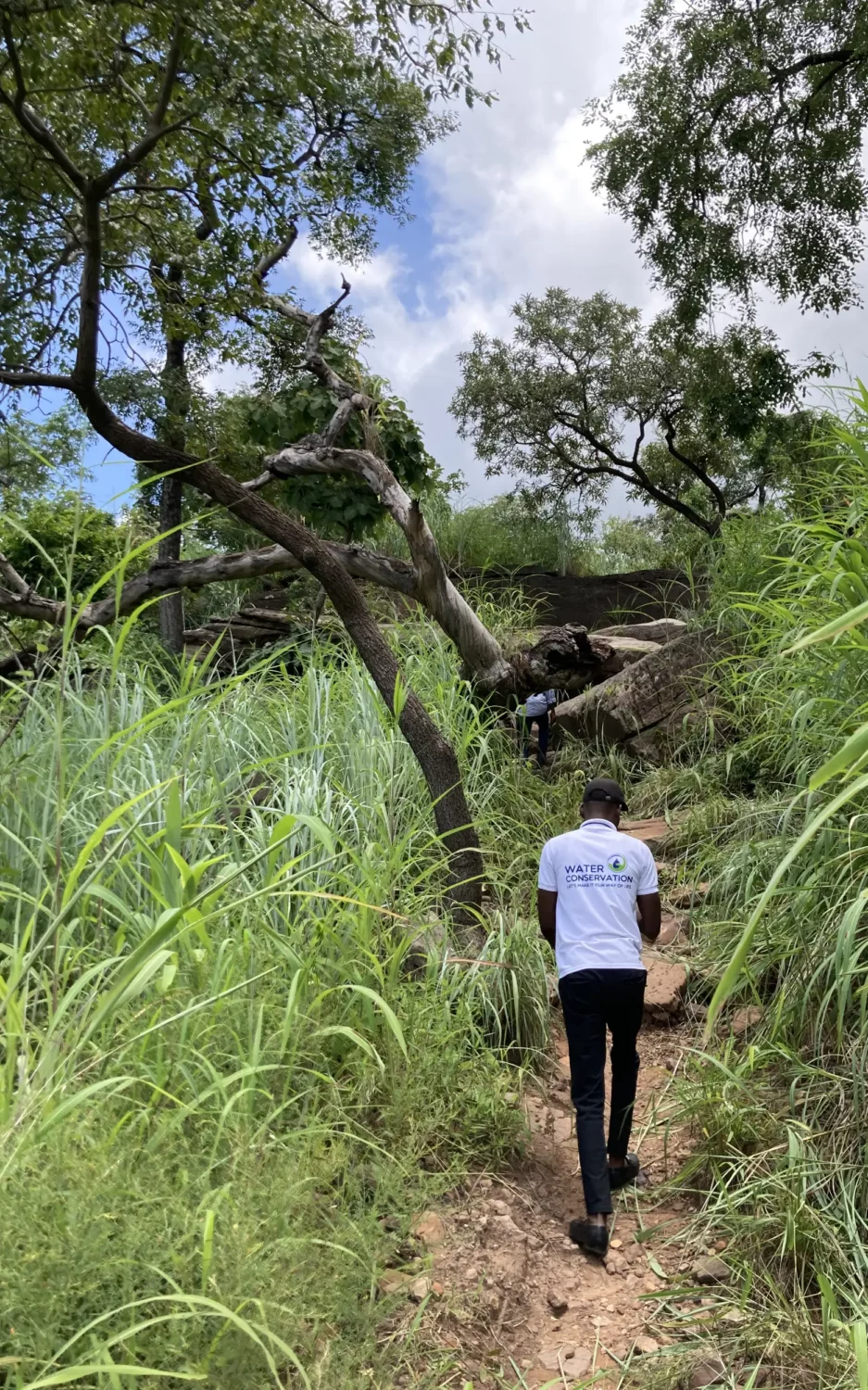
The degradation of catchment areas and valleys can severely affect water retention, soil quality and agricultural productivity. Population growth, intensive land use and climate change have intensified these pressures in many regions, making effective soil and water conservation measures increasingly important.
We support the planning and implementation of measures aimed at stabilising catchments, restoring degraded land and improving water availability for agricultural use. Depending on local conditions, this may include water-spreading weirs, retention structures and other stabilisation measures designed to reduce erosion, improve sediment distribution and enhance the productive use of land.
Water-spreading weirs can be an effective and economical solution, particularly in wide and shallow dry valleys. In combination with catchment stabilisation measures, they help to improve soil moisture, support the deposition of water and sediment and create better conditions for agricultural production. This can contribute to increased land productivity, improved food security and stronger local resilience.
Our competencies include:
- Design and planning of appropriate measures to protect and restore agricultural land
- Development of and support during construction, with particular emphasis on participatory approaches
- Support for the integration of measures into municipal and regional planning


