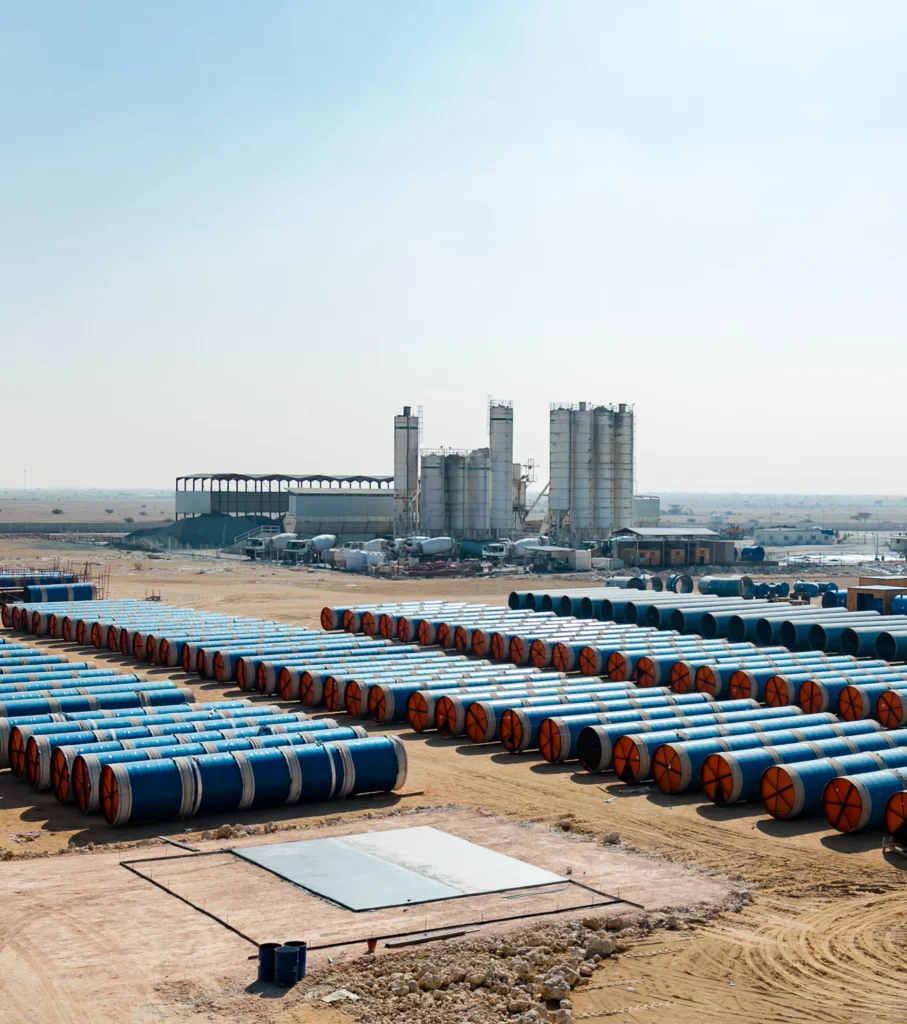
Safe and reliable water supply requires careful planning, sound engineering and long-term economic viability. Water supply infrastructure involves substantial investment, and successful solutions must balance technical performance, affordability, operational reliability and future maintenance requirements.


Range of services
We support our clients throughout the full development process, from strategic planning and feasibility assessment to detailed design, procurement support, construction supervision and utility management advice. In doing so, we consider not only investment needs, but also operation and maintenance costs, institutional capacity and the ability and willingness of consumers to pay for water services.
Our competencies include:
- Master planning and investment studies
- Feasibility studies
- Financial and economic analysis, tariff studies and socio-economic studies
- Preliminary and detailed design
- Preparation of tender documents and assistance during tender processes
- Contract administration and construction supervision
- Advisory services for utility management
- Programme and project management
Water supply solutions
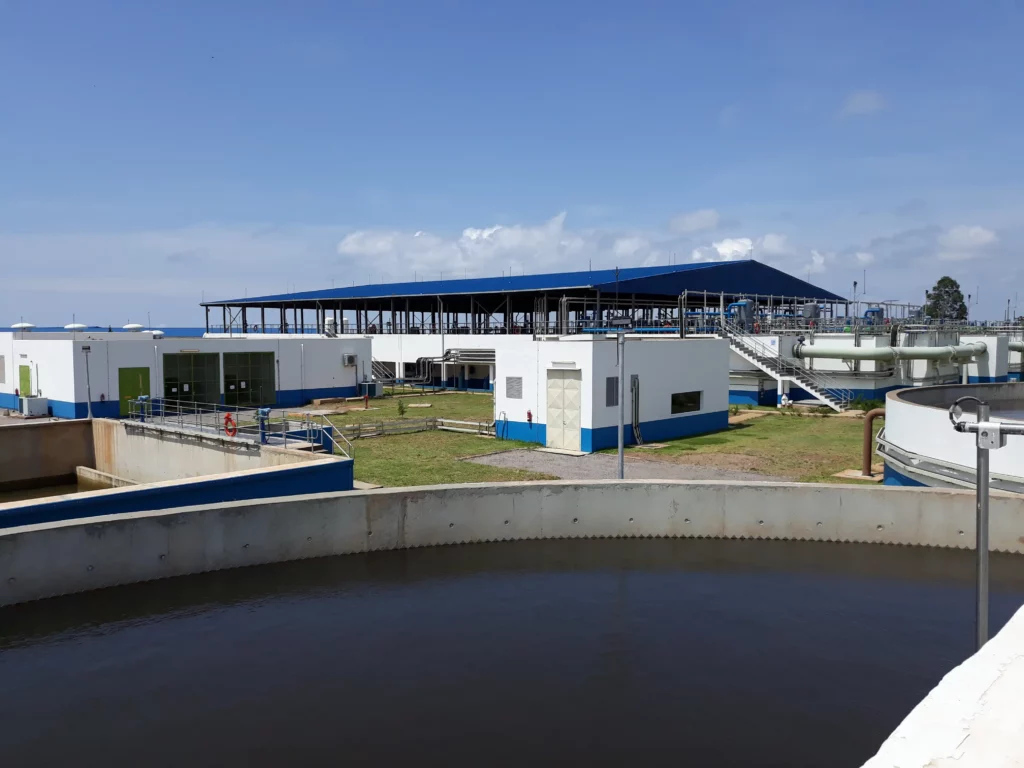
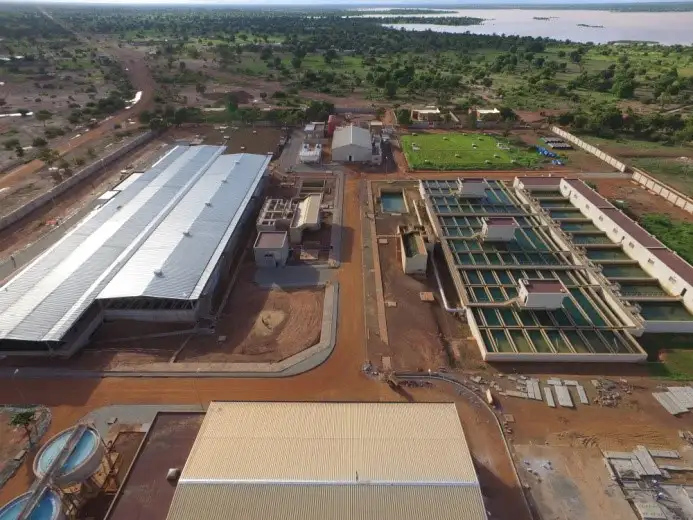
Water abstracted from its source often requires treatment to remove unwanted constituents and to meet the required water quality standards. The selection of appropriate treatment processes depends on the raw water characteristics, the intended use of the water and the operational context of the project.
Treatment solutions range from relatively simple processes such as disinfection or chlorination to more complex treatment systems for surface water. Depending on raw water quality and project requirements, treatment may include processes such as aeration, coagulation, flocculation, sedimentation, sand filtration, activated carbon filtration and disinfection. Additional processes, such as desalination or ion exchange, may also be required depending on the source and the target water quality.
Our competencies include:
- Process design and dimensioning
- Detailed engineering design, including hydraulic, mechanical, electrical, structural, architectural and instrumentation components
- Preparation of tender documents
- Contract administration and site supervision
- Operation and maintenance support
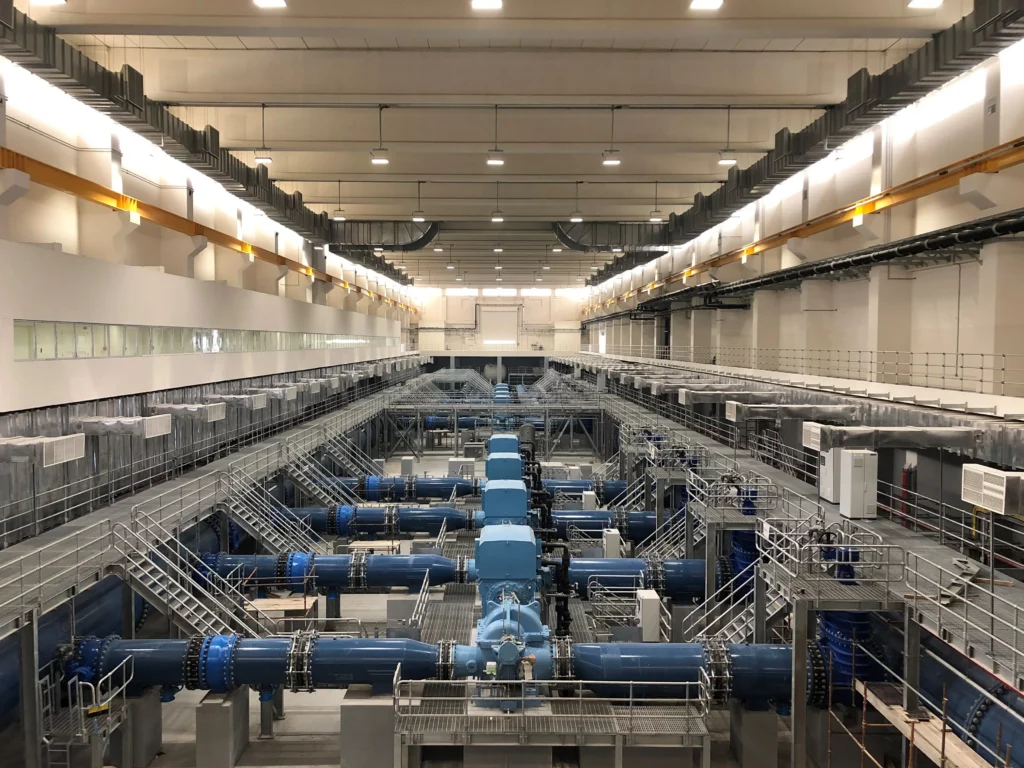
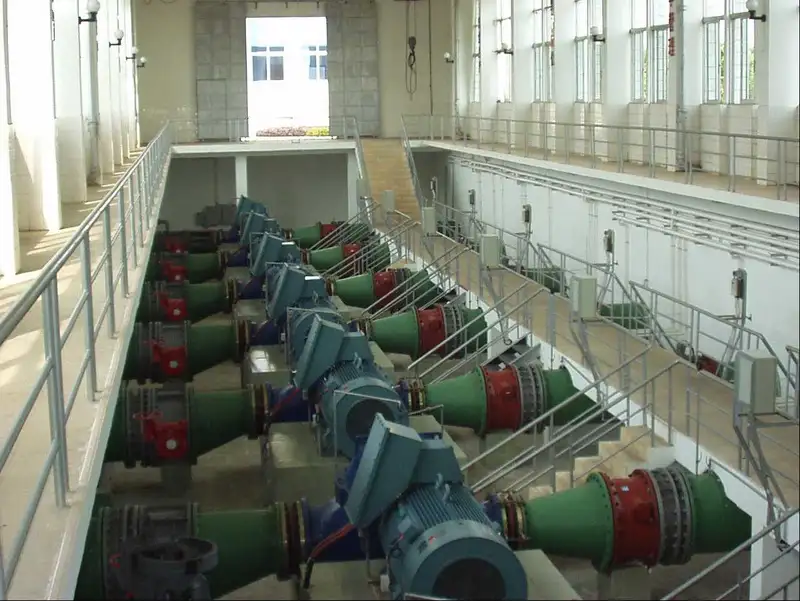
After treatment, water is typically conveyed to storage reservoirs through transmission mains and then distributed to consumers either by gravity or through pumped systems. The planning and design of transmission and distribution networks must ensure reliable supply, adequate pressure and efficient operation across the entire system.
In addition to technical and hydraulic requirements, the design of these systems also requires careful economic assessment. Investment costs as well as operation and maintenance costs need to be considered in order to achieve solutions that are both technically sound and economically viable. Hydraulic modelling is an essential tool for the design, optimisation and extension of transmission and distribution networks.
Our competencies include:
- Design of pumping stations and transmission pipelines
- Design of storage reservoirs and water distribution networks
- Hydraulic modelling of transmission and distribution systems
- Energy efficiency analysis of pumping stations and distribution networks
Non-Revenue Water (NRW), also referred to as unaccounted-for water, describes water that has been produced and supplied into the system but does not generate revenue for the utility. Reducing NRW is a key factor in improving the technical performance, financial sustainability and operational efficiency of water supply systems.
NRW may result from physical losses, such as leakage from transmission or distribution pipes, or from apparent losses, for example due to inaccurate metering, unmetered connections or deficiencies in billing and customer data management. Effective NRW reduction therefore requires a combination of technical investigation, system analysis, operational measures and management improvements.
Our competencies include:
- NRW baseline studies, including assessment of existing water losses within the system
- Development of NRW strategies and water loss reduction programmes
- Pilot zone investigations using flow, pressure and noise recording instruments
- Physical leak detection
- Preparation of tender documents and supervision of construction programmes for the establishment of district metered areas, leak repair activities and water meter installation
- Support for the implementation of computerised billing systems
Large investment programmes implemented by public utilities or governmental organisations require effective planning, coordination and control throughout the entire implementation period. Programme management and technical assistance services help to ensure that investments are properly prepared, budgets are monitored, implementation processes are coordinated, and consultants or contractors are supervised effectively.
In addition to organisational and procedural support, successful implementation often also requires the strengthening of institutional capacities. Training and skills development can therefore be an important part of project implementation, helping organisations improve procedures, build internal expertise and manage investments more effectively over the long term.
Our competencies include:
- Investment planning and programme management
- Monitoring and control
- Institutional development and capacity building